Chapter 2: Chemistry of Life
Chemistry
Atoms
- All matter is composed of atoms.
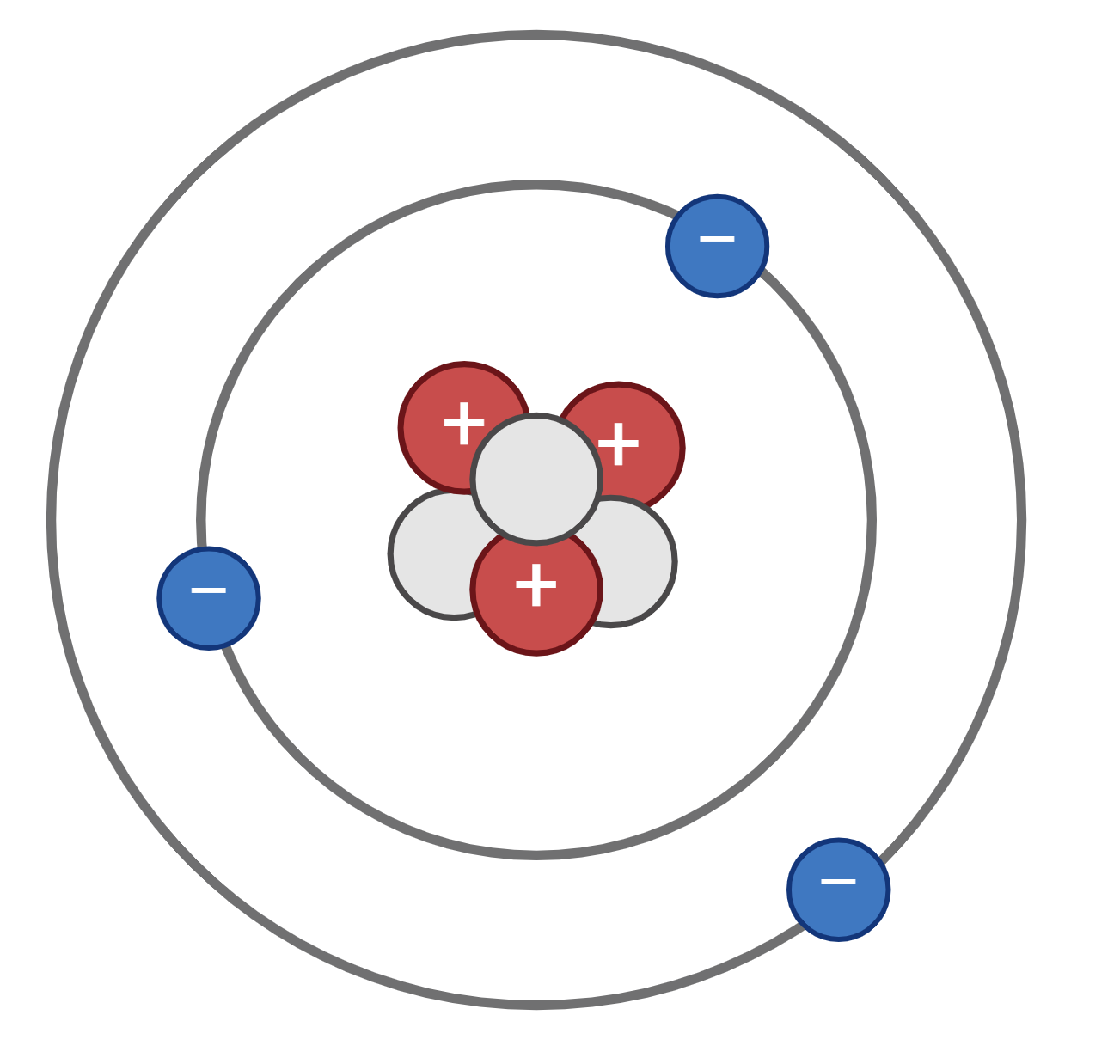
- Atoms are composed of protons, neutrons, and electrons.
- Protons and neutrons are located in the dense nucleus in the center of the atom. The rest of the atom is occupied by electrons, which orbit the nucleus.
- Protons are positively charged. Electrons are negatively charged. Neutrons have no charge. The magnitude of a proton’s positive charge is equal to that of the electron’s negative charge.
Elements
- Many substances can be separated into simpler substances.
- Elements are the most basic substances.
- The defining feature of an element is the number of protons in the nueclei of its atoms, which is the element’s atomic number.
Number of Protons, Neutrons, and Electrons in an Atom
Protons:
- Each element has a unique number of protons in its atoms.
Neutrons:
- Atoms of an element can have varied numbers of neutrons.
- Each variation is an isotope of the element.
Electrons:
- A neutral atom has the same number of electrons as protons.
- Atoms can lose, gain, or share electrons. This is the foundation of chemistry.
Atomic Mass:
- The atomic mass of a specific atom is the number of its protons and neutrons.
- Since the isotopes of an element have different numbers of neutrons, they have different atomic masses.
- The atomic mass of an element is the average of the atomic masses of its atoms, weighted by the natural distribution of its isotopes.
Periodic Table
The periodic table lists the elements:
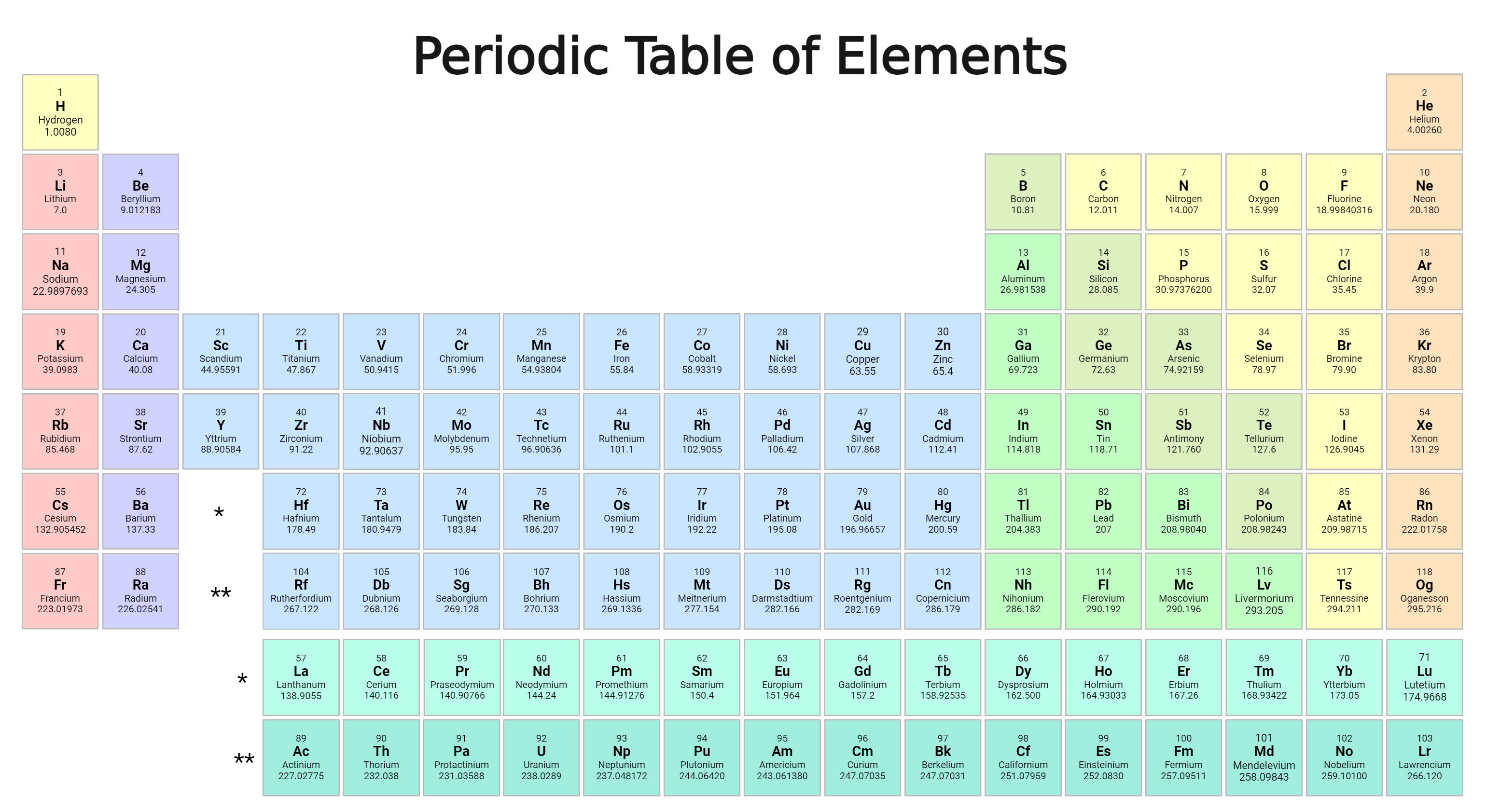
For each element, it gives the element’s name, atomic number, atomic symbol, and atomic mass. For example, the following cell lists carbon:
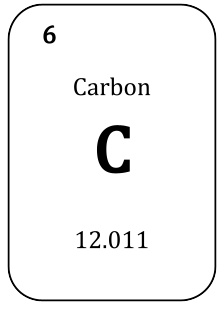
- Atomic number: 6
- Element name: Carbon
- Atomic symbol:
C - Atomic mass: 12.011
Electrons
Orbitals:
- Electrons orbit the nucleus
- Electrons are located in orbitals - regions within which the electron can be located
- There are multiple orbital shell / energy levels among which electrons are distributed
- Valence Shell: Outermost shell
Octet Rule:
- Atoms are most stable when their valence shell is complete with eight electrons
- (aside from the innermost shell, which is complete with only two electrons).
- Atoms will donate, accept or share electrons to complete their valence shell.
- This is the underlying principle behind much of chemistry.
Noble Gasses: Elements with naturally full valence shells
Chemical Compounds
Chemical Compound:
- Atoms of different elements chemically bound to each other
Molecule:
- Most basic unit of a chemical compound
Ionic Bond
Ionic Bond:
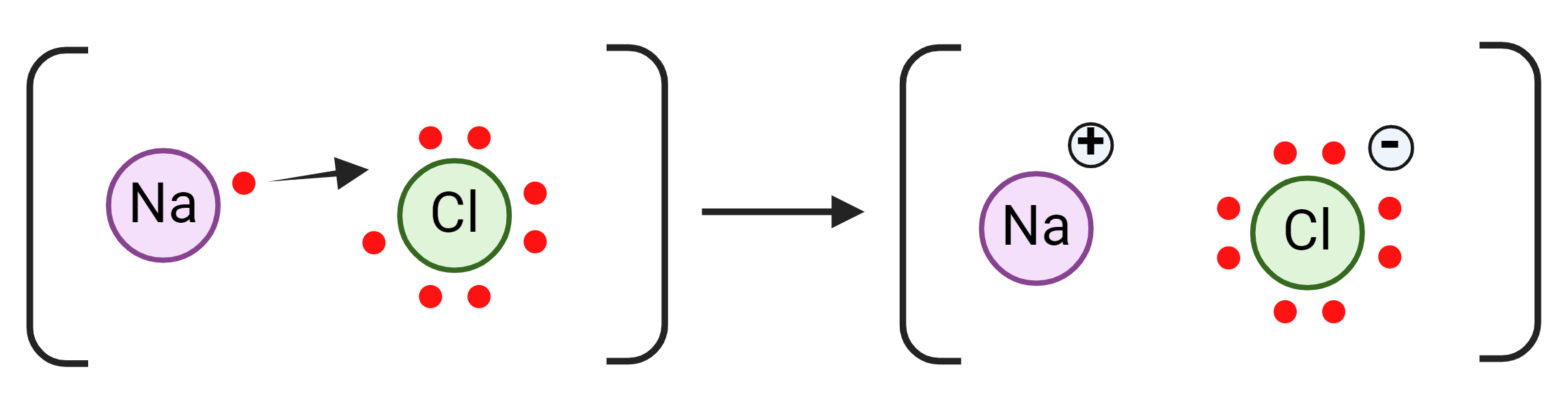
- In an ionic bond, an atom with extra valence electrons transfers them to an atom with missing valence electrons, completing both atoms’ valence shells
- Electron Transfer: Transfer of electrons from one atom to another
- Each atom is now an ion: an atom with an uneven amount of protons and electrons
- Cation: Ion which lost an electron; is now positive
- Anion: Ion which gained an electron; is now negative
- As one ion is positive and one negative, they attract and bond, forming an ionic bond - the bond between ions
- Example of ionic bond: Sodium Chloride
Covalent Bond
Covalent Bond:
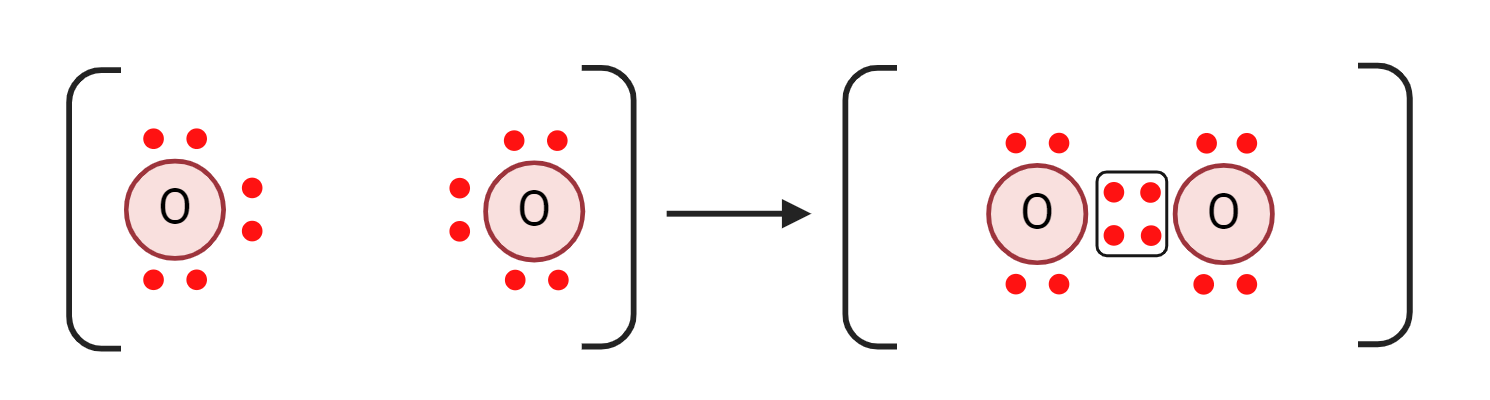
- In a covalent bond, instead of transferring the electron, a pair of electrons - one from each atom - is shared, making them covalent electrons - valence electrons of both atoms
Polar Covalent Bond:
- If one of the atoms has more electronegativity (the amount of attractive pull an atom has to electrons) than the other, it will attract the shared electrons more than the other, making the bond polar
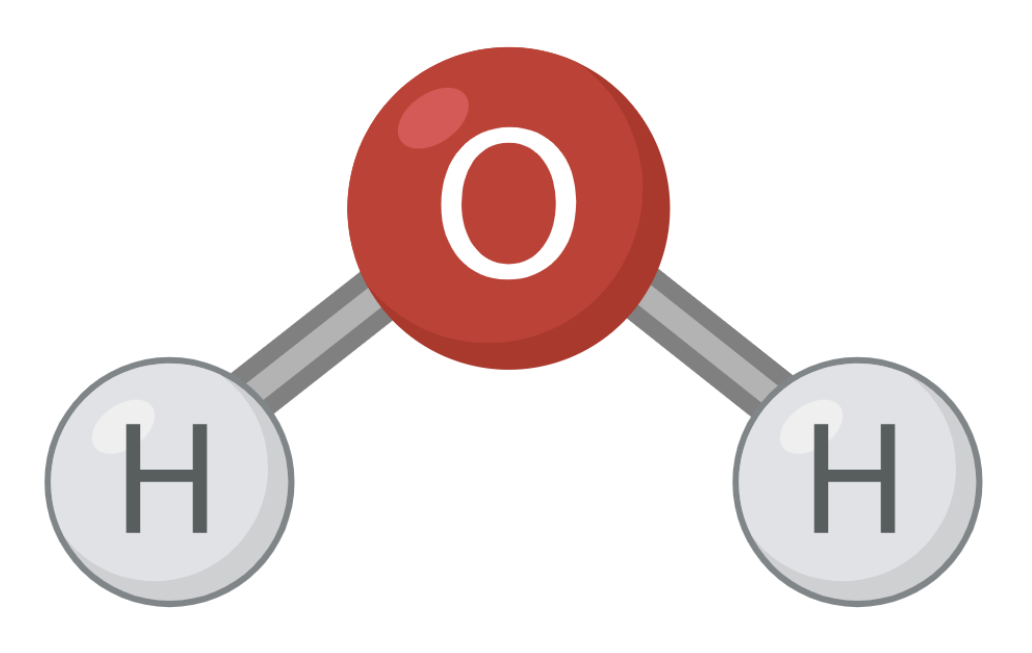
- Example of covalent bond: H2O
Acids, Bases
Acids:
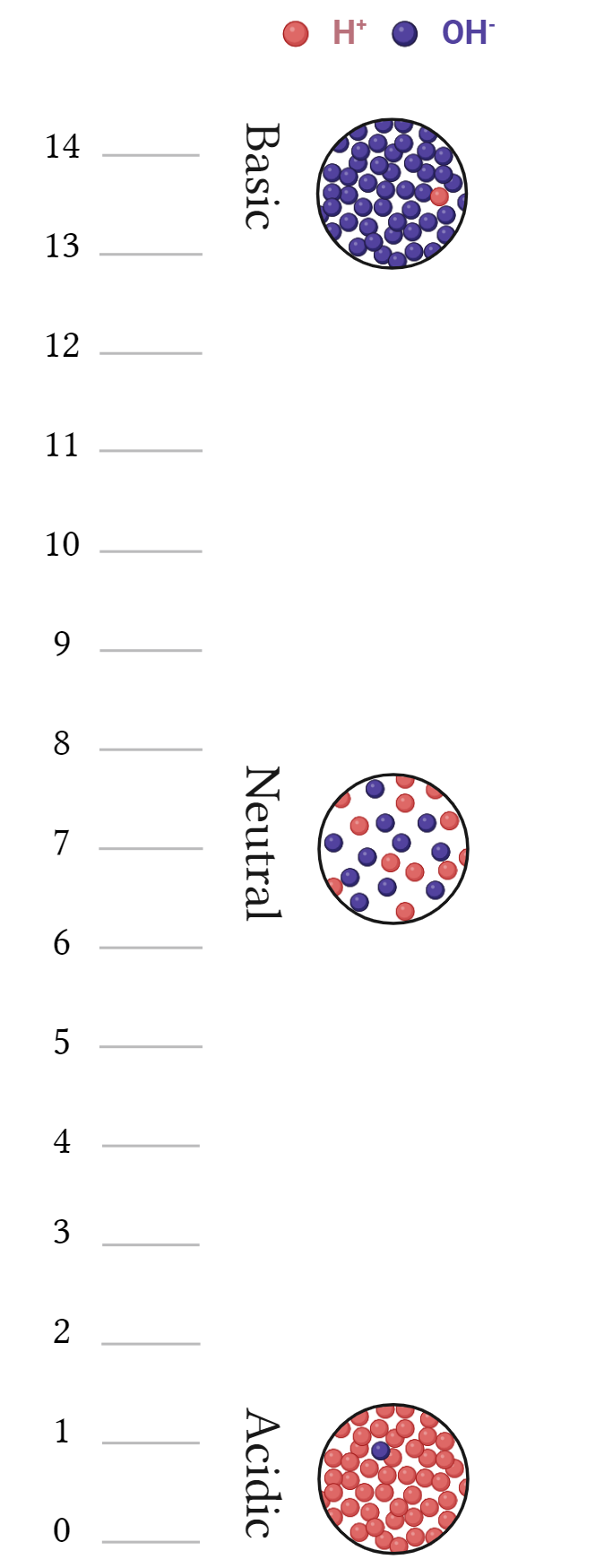
- Substances that release positive hydrogen ions (H+) into a solution
Bases:
- Substances that release negative hydroxide ions (OH-) into a solution or absorbs hydrogen ions
pH scale:
- Measures the acidity of a solution on a scale of 0 - 14
- < 7: Acid
- = 7: Neutral
- > 7: Basic
Buffers:
- Keep a system pH neutral by absorbing excess hydrogen and hydroxide ions
Chemical Reactions
Chemical formula:
- Describes the makeup of a molecule, such as “H2O”
Chemical reaction:
- Process of atoms bonding, or atomic bonds being broken
Reactants:
- The substances that undergo a chemical reaction
Products:
- The product of a chemical reaction
Reversible chemical reaction:
- Chemical reaction that can go both ways; the product can turn back into the reactants
- Equilibrium:
- When the reactants and products in a reversible chemical reaction reach a balanced state and stop changing back and forth
- Equilibrium:
Irreversible chemical reaction:
- Chemical reaction that can only go one way
Balanced chemical equation:
- Chemical reaction with an equal number of atoms on both sides
Anabolic pathway:
- Chemical reaction in which smaller molecules bond to form larger ones.
- Takes energy.
Catabolic pathway:
- Chemical reaction in which larger molecules break into smaller ones.
- Releases energy.
Intermolecular Bonds
van der Waals interactions:
- Due to their non-uniform electronegativity, molecules may attract each other
Hydrogen bonds:
- Water is extremely polar, due to oxygen’s high electronegativity, causing water to form strong bonds with other polar molecules, called hydrogen bonds
- Water properties due to hydrogen bonds:
- Cohesion:
- Forms bonds with itself
- Adhesion:
- Forms bonds with surfaces
- Surface tension
- High heat capacity, high heat evaporation
- Universal solvent:
- Breaks other bonds apart
- Solvent:
- Something that dissolves solutes, forming a solution
- Ice:
- Hydrogen bonds cause ice to be less dense than water
- The molecules’ polarity causes it to form a gap-filled grid-like structure
- Cohesion:
- Water properties due to hydrogen bonds:
Hydrophilic:
- Polar molecules that are attracted to water
Hydrophobic:
- Nonpolar molecules that are repelled by water
Chemistry of Life
Basic Elements of Life
Basic elements of life:
- Carbon
- Hydrogen
- Nitrogen
- Oxygen
- Phosphorus
- Sulfur
Organic Molecules
Carbon:
- Life is based around carbon due to carbon’s versatility in binding to other atoms and itself due to its four available valence electrons
Organic:
Organic moleculesare molecules with a carbon base that contain carbon and hydrogen
Functional Groups
Functional groups:
- Groups of atoms within larger life molecules that serve a particular function
- Common functional groups include hydroxyl, methyl, carbonyl, carboxyl, phosphate, amino
Schematics
Chemistry
-
Atom
-
H2O
-
Electron Transfer
-
Covalent Bond
-
pH Scale
Biology
-
Functional Groups
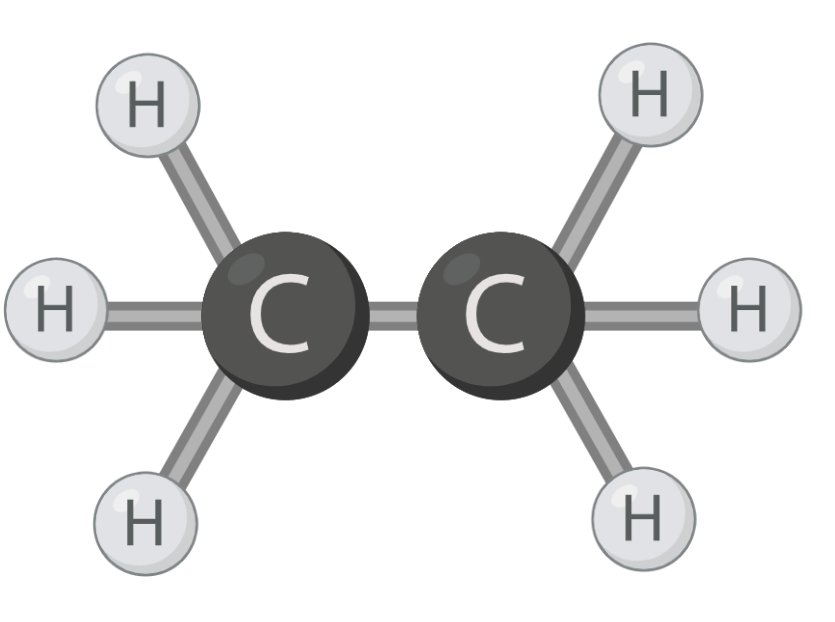
- Alkane
- Hydrocarbon molecule
- Consists of only carbon and hydrogen
-
Only contains single carbon bonds
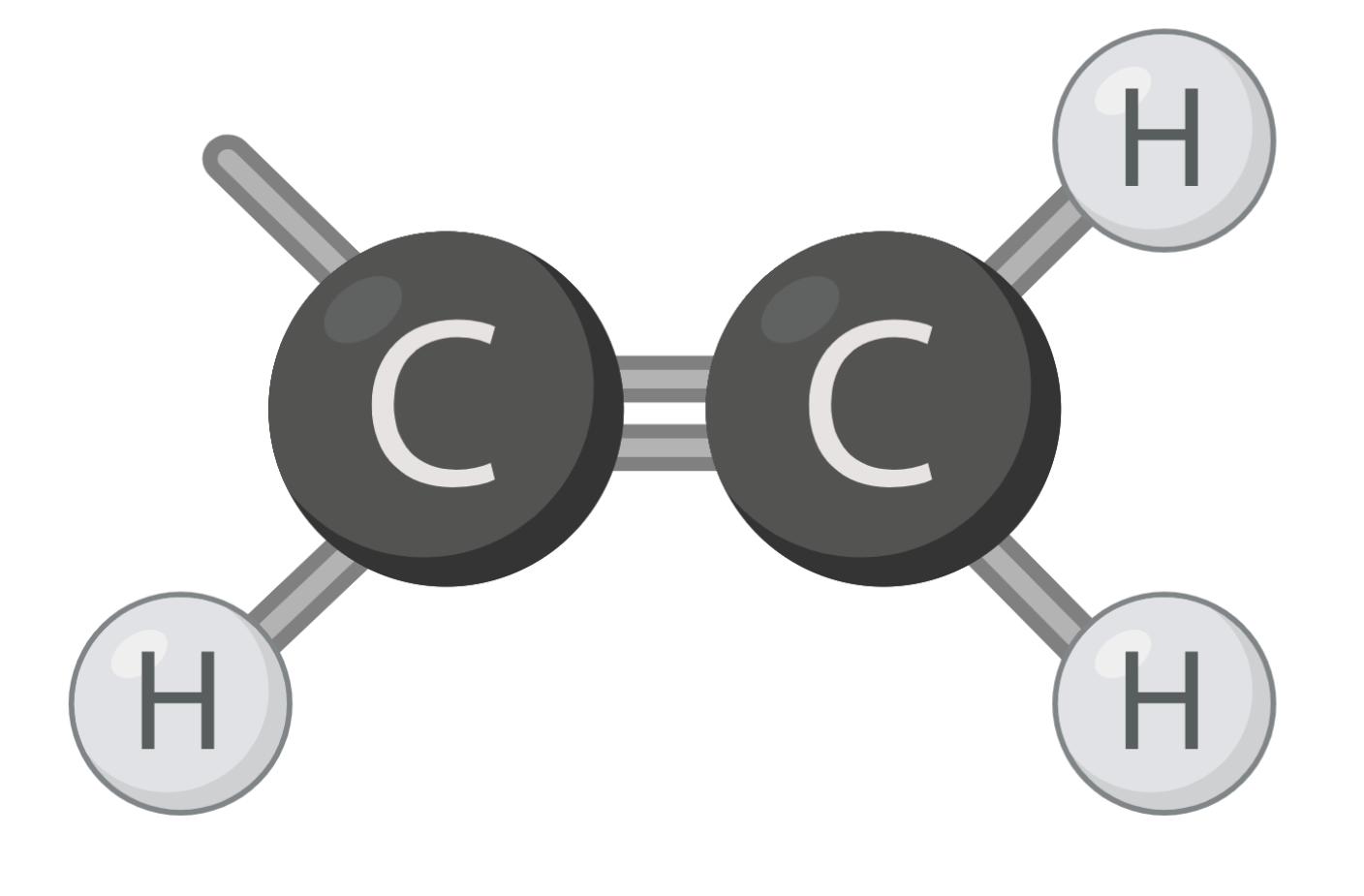
- Alkene
- Hydrocarbon molecule / functional group
-
Contains a double carbon bond
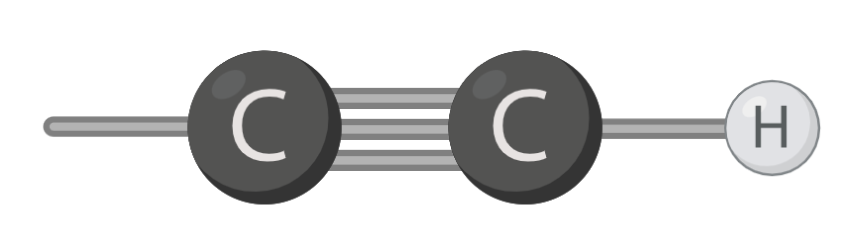
- Alkyne
- Hydrocarbon molecule / functional group
-
Contains a triple carbon bond
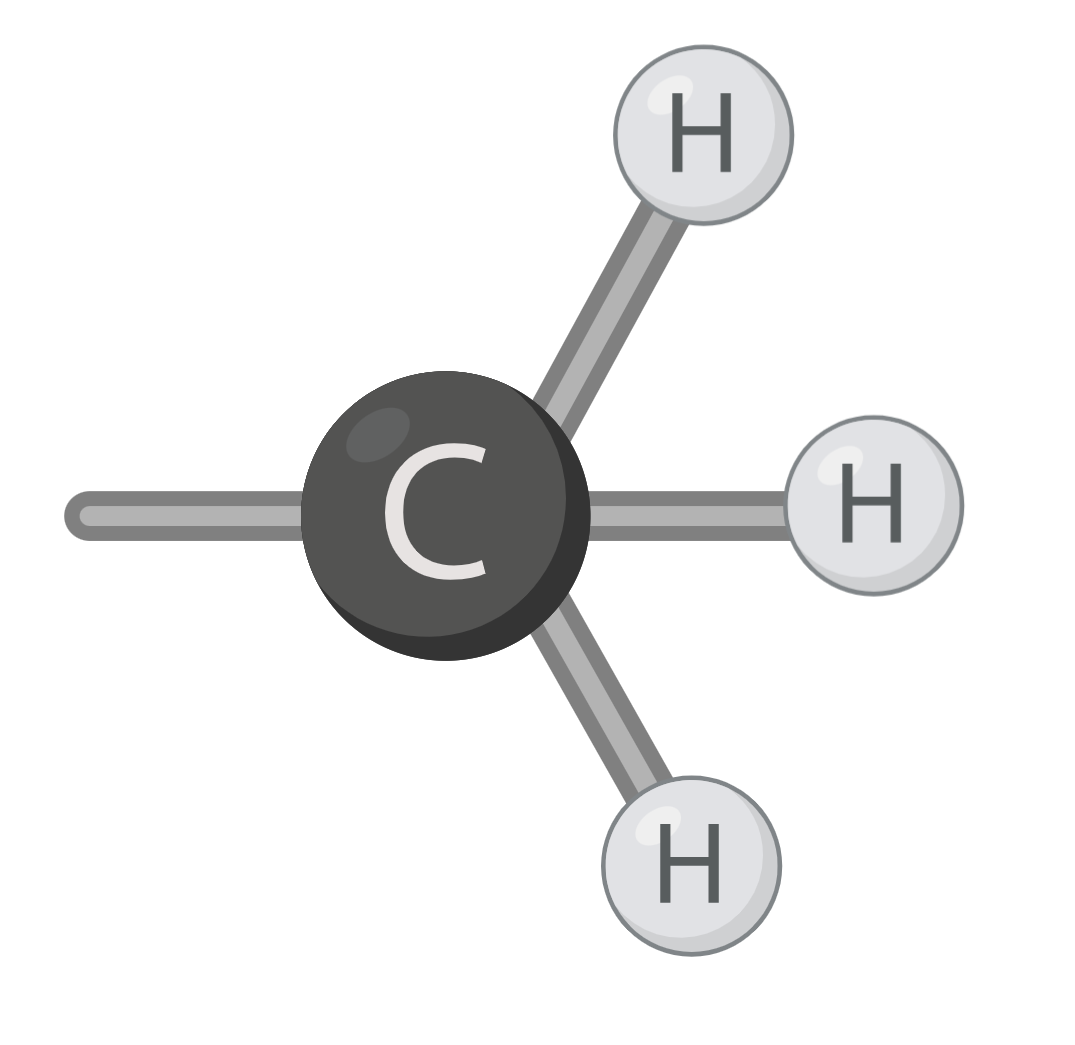
- Methyl
- Functional group
-
Carbon bonded to three hydrogens
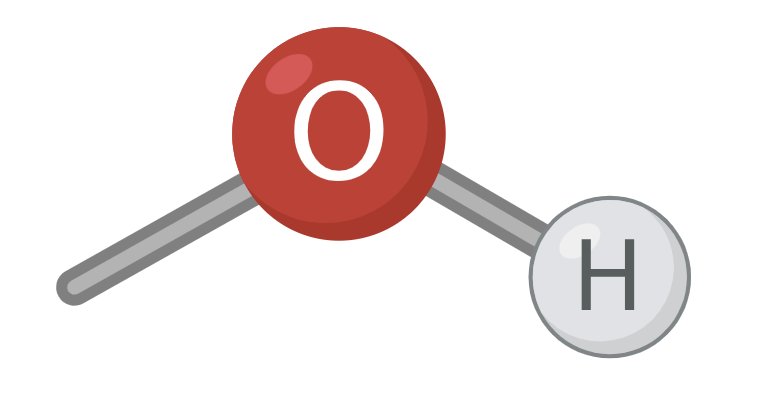
- Hydroxyl
- Functional group
-
OH
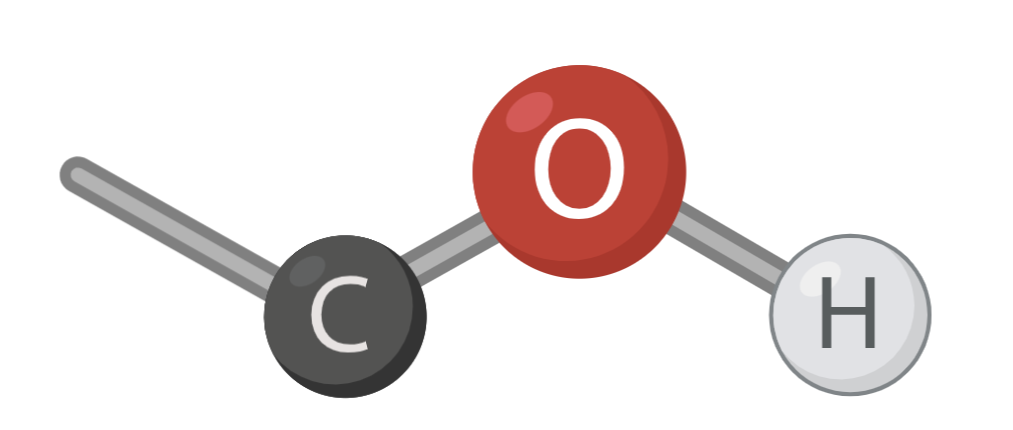
- Alcohol
- Functional group
-
Hydroxyl attached to a carbon
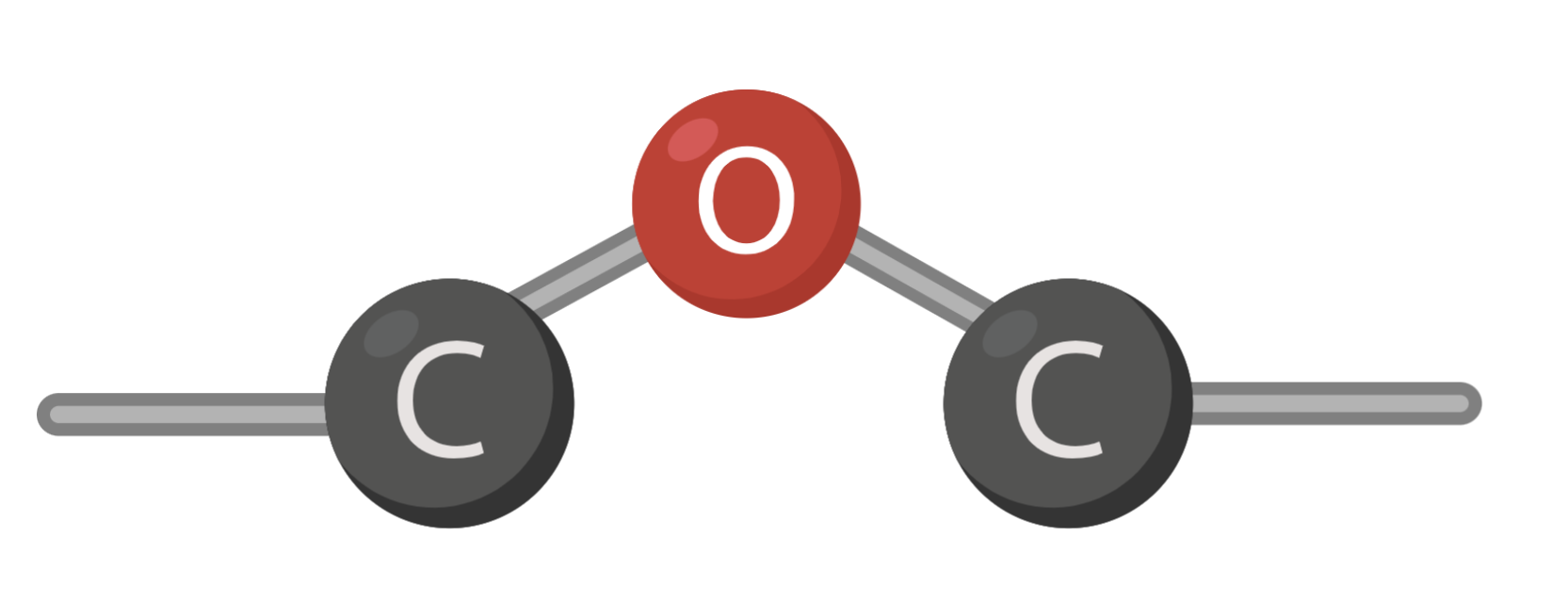
- Ether
- Functional group
-
Oxygen attached to two carbons
- Carbonyl
- Functional group
-
Carbon double bound to oxygen
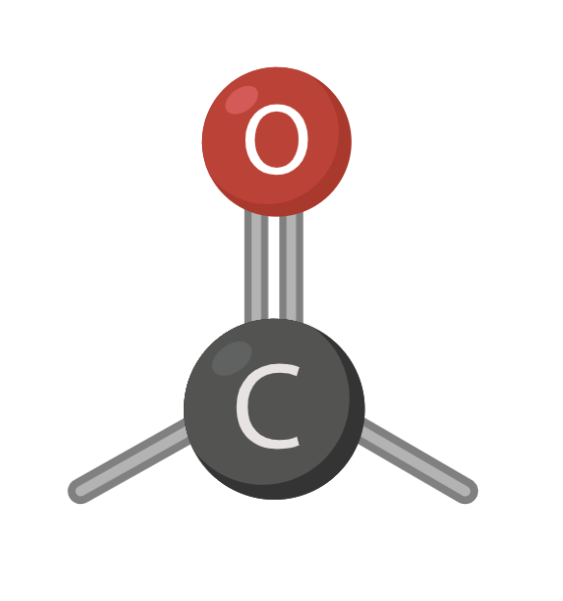
- Ketone
-
Carbonyl in the middle of a carbon chain
-
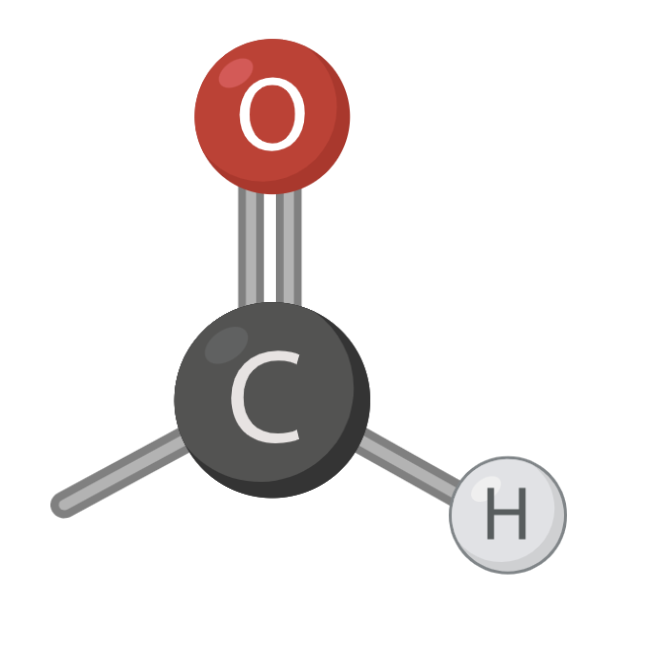
- Aldehyde
-
Carbonyl at the end of a carbon chain
-
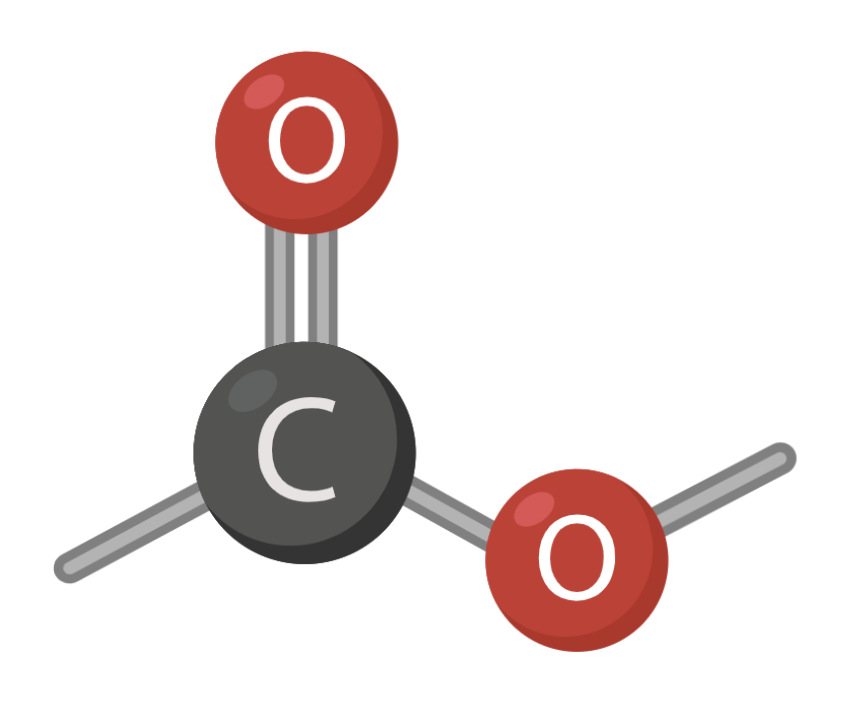
- Ester
- Functional group
-
Carbonyl attached to an oxygen which is part of an $r$ group
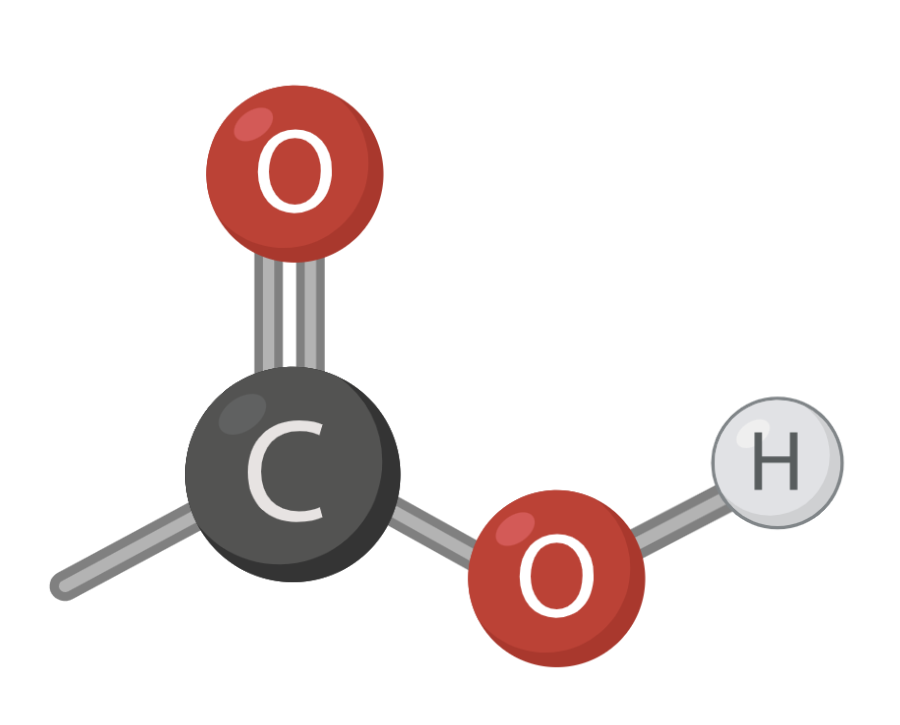
- Carboxyl
- Functional group
-
Carbonyl attached to an oxygen which is part of a hydroxyl group
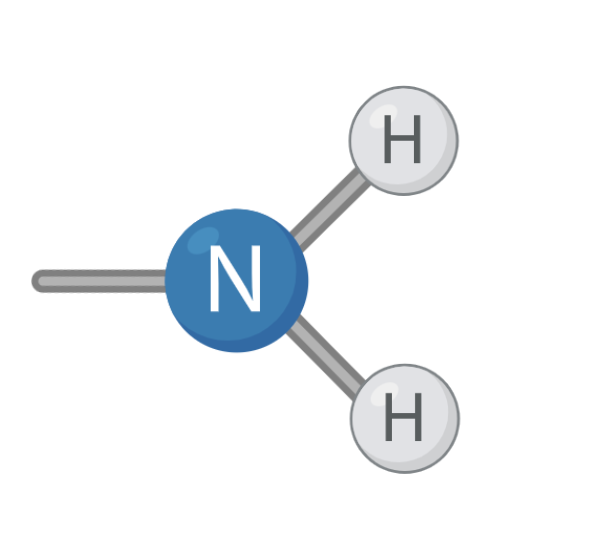
- Amino
- Functional group
-
Nitrogen bonded to two hydrogens
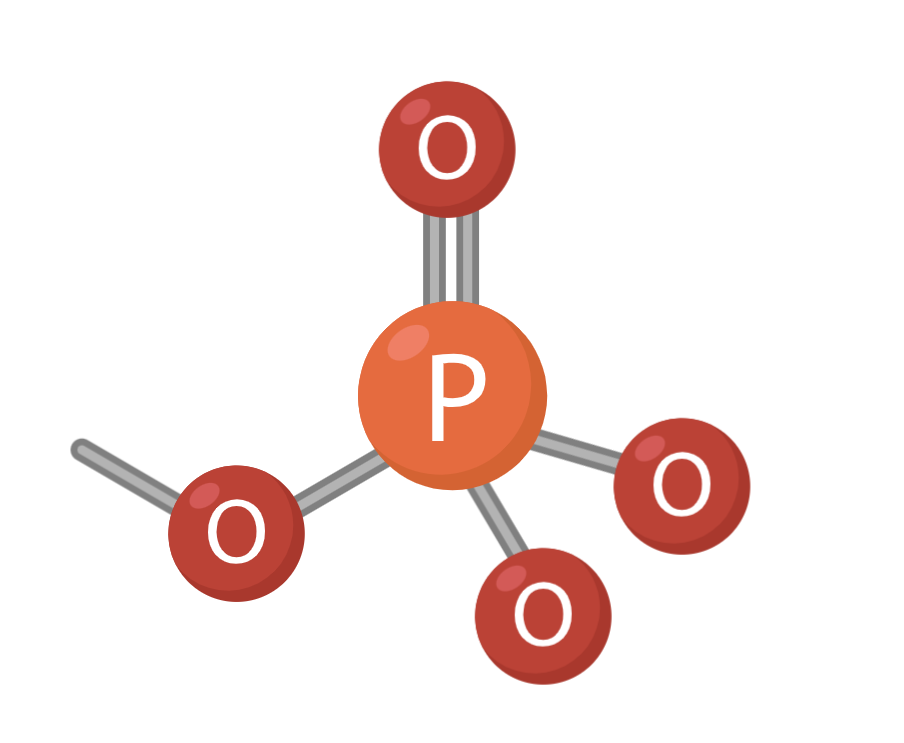
- Phosphate
- Functional group
-
Phosphate bonded to four oxygens; three single bonds, one double bond
- Alkane